
7 Warning Signs Your Water Heater Needs Immediate Repair or Replacement to Avoid Disasters
Spotting signs that your water heater needs repair or replacement helps you avoid costly damage. These units power daily tasks, but malfunctions can disrupt your home and cause serious harm. This guide covers common warning signs, lifespan markers, diagnostic steps, emergency repair options, and replacement choices so you can protect your home and budget.
What Are the Most Common Signs of Water Heater Malfunction?
Water heaters can develop several problems. Catching warning signs early helps you avoid expensive repairs. Common indicators include:
- Inconsistent Water Temperature: Fluctuating water temperatures may indicate malfunctioning thermostats or heating elements.
- Unusual Noises: Banging or popping sounds from the heater can suggest sediment buildup, which may lead to overheating.
- Water Leaks: Any signs of water pooling around the heater or dripping from connections point to potential leaks that should be addressed immediately.
How Do You Detect Water Heater Leaking Problems Early?
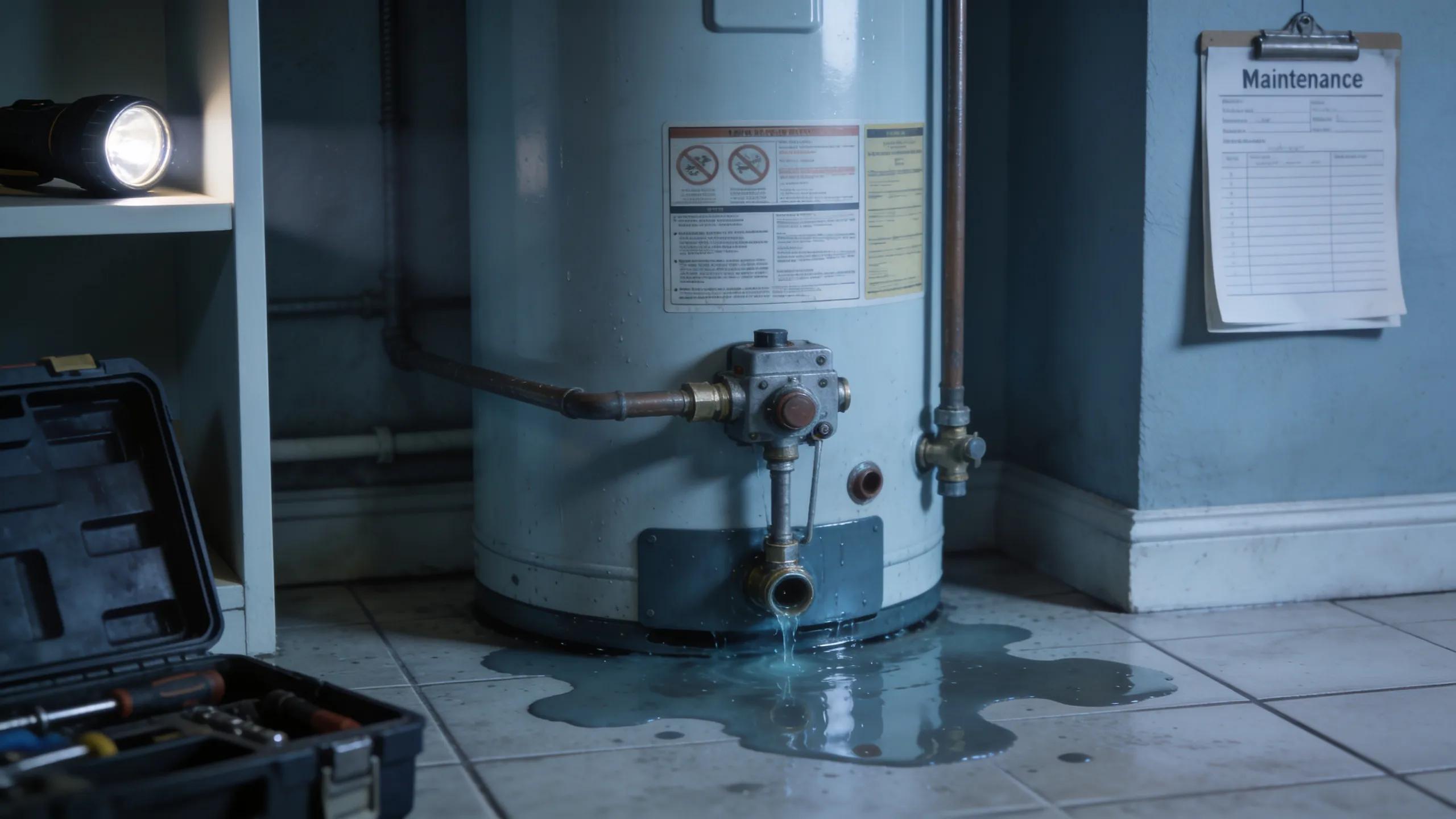
Finding leaks early lets you fix them before they damage your property. To check for leaks, inspect:
- The Base of the Heater: Look for damp spots or puddles.
- Connections and Valves: Check if there are any wet spots, which may indicate a loose connection or a worn-out valve.
- The Venting System: Ensure there’s no condensation forming on the outside since it can signal a problem.
Regular checks can prevent costly repairs down the line.
Why Is Strange Noise a Warning Sign for Water Heater Repair?
Strange noises emanating from your water heater should not be ignored. They can indicate various underlying issues such as:
- Sediment Buildup: This often causes popping or rumbling sounds as water heats up.
- Loose Components: Banging or thumping noises may be a sign of loose brackets or components that need tightening.
- Heating Element Failure: Squealing sounds could be an indication that the heating element is failing.
Fixing these noises early prevents bigger failures and higher repair costs.
When To Replace Your Water Heater: Key Indicators and Lifespan Insights
Knowing when to replace your water heater keeps your home safe and efficient. If your unit is over ten years old and shows any of the following signs, consider replacement:
- Discolored Water: Rusty or brown water indicates corrosion inside the tank.
- Increased Energy Bills: If you notice a sudden rise in your energy bills, your heater may be working harder than it should.
- Inconsistent Hot Water Supply: If you’re frequently running out of hot water, it could mean the tank is failing.
How Long Does a Typical Water Heater Last?
Conventional tank heaters usually last 8–12 years; tankless models can run up to 20 years. Regular maintenance can extend their life. If your unit approaches its expected lifespan, assess its performance now to avoid problems later.
What Are Urgent Signs Indicating Immediate Replacement?
Some signs require immediate replacement to prevent damage and keep your home safe:
- Severe Leaks: A water heater leaking in large amounts can indicate a critical failure requiring urgent action.
- Strange Odors: An odor resembling rotten eggs may signal gas leaks — this is a situation that requires immediate professional evaluation.
- Constant Fluctuation of Temperature: Frequent changes in the temperature can indicate a failing thermostat or heating element, resulting in inefficient heating.
Recognizing these signs helps you avoid major damage.
How Can You Diagnose Water Heater Problems Effectively?
Diagnosing issues methodically helps you find faults. Homeowners can try basic troubleshooting by:
- Identifying Odors: Any unusual smell should be investigated promptly.
- Checking Temperature Settings: Make sure the thermostat is set correctly and functioning.
- Looking at Surroundings for Moisture: Inspect areas near the heater for any signs of moisture or leaks.
What Diagnostic Checklist Helps Identify Water Heater Issues?
Use this checklist to troubleshoot common problems:
- Thermostat Check: Is the thermostat accurately set?
- Visual Inspection: Are there any leaks or signs of corrosion on the tank?
- Noise Analysis: Are there any unusual sounds coming from the heater?
This helps ensure a thorough check for common faults.
Which Water Heater Components Most Commonly Cause Failures?
Some components are more prone to failure and can significantly affect the heater’s performance:
- Heating Elements: Often the first to fail, heating elements need regular checks.
- Thermostats: Malfunctioning thermostats can lead to inconsistent temperatures.
- Pressure Relief Valve: Failure of this crucial safety component can result in excessive pressure buildup, posing serious hazards.
Inspecting these parts regularly reduces the chance of failure.
What Emergency Water Heater Repair Services Are Available Near Me?
If your heater fails, knowing emergency repair options matters. Typical emergency services include:
- Immediate Diagnostics and Repairs: Professionals assess the issue and provide urgent repairs.
- Leak Management: Quickly stopping leaks helps prevent further property damage.
- Replacement Solutions: If necessary, certified technicians provide immediate replacement services.
How Does Perfectum Plumbing Provide Timely Emergency Response?
Perfectum Plumbing specializes in fast, effective emergency water heater repairs. They prioritise quick response to minimise downtime and focus on customer satisfaction. Rely on Perfectum Plumbing to restore your hot water promptly.
When Should You Call for Immediate Water Heater Repair?
Call a professional if you notice any of the following:
- Severe Leak: If the leak is continuous and significant.
- No Hot Water: A sudden failure for supplying hot water.
- Unusual Noises: Strange sounds that could indicate internal damage.
Acting quickly can prevent more damage. Homeowners in Rockville, MD can get help from plumbers in Rockville, MD.
What Water Heater Replacement Options Are Best for Maryland Homeowners?
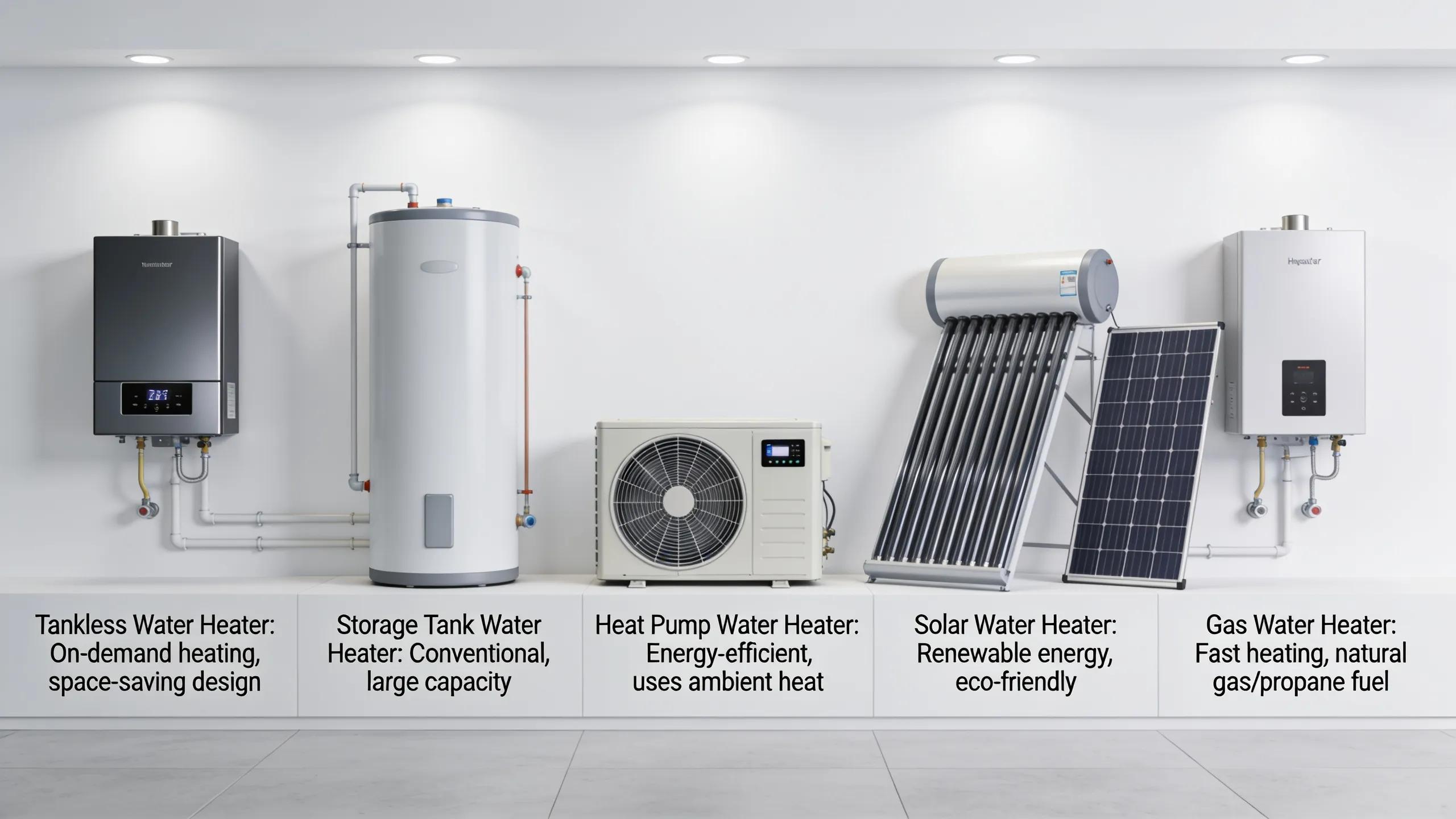
Maryland homeowners can choose from several replacement options:
- Tank Water Heaters: Traditional units that store hot water, suitable for larger households.
- Tankless Water Heaters: Efficient units providing hot water on demand, ideal for small households or those needing intermittent hot water.
- Heat Pump Water Heaters: These energy-efficient options are favorable for homeowners looking to reduce energy costs.
How Do Energy-Efficient Water Heaters Benefit Property Owners?
Energy-efficient heaters cut energy bills and reduce environmental impact. They use improved technology for better performance and long-term savings.
What Are the Pros and Cons of Different Water Heater Types?
Each water heater type comes with its advantages and disadvantages:
- Tank Water Heaters:Pros: Lower initial costs.Cons: Higher energy costs due to standby heat loss.
- Tankless Water Heaters:Pros: Instant hot water and energy savings.Cons: Higher upfront costs and often require upgrades to plumbing.
- Heat Pump Water Heaters:Pros: Highly energy-efficient.Cons: Higher installation costs and may not work well in colder climates.
Knowing these differences helps you pick the right unit. Homeowners near Germantown, MD can contact plumbers in Germantown, MD for specialized help.
Which Water Heater Maintenance Tips Prevent Failures and Extend Lifespan?
Regular maintenance extends life and keeps the heater running efficiently. Key tips include:
- Flush the Tank Regularly: This prevents sediment build-up that can lead to overheating.
- Inspect Anode Rods: Check and replace as needed to prevent tank corrosion.
- Seal Connections: Ensure connections are tight to avoid leaks.
How Does Regular Maintenance Detect Warning Signs Early?
Routine maintenance catches warning signs early. Checking the unit regularly lets you spot issues—like odd noises or temperature changes—before they worsen.
What Are Simple Home Maintenance Actions for Water Heaters?
You can take simple steps at home: set the thermostat to 120°F to reduce scald risk and save energy, check for leaks regularly, and schedule annual professional inspections. These steps help extend the unit’s life and efficiency. If you’re in Potomac, MD, contact plumbers in Potomac, MD for maintenance.
Frequently Asked Questions
1. How can I tell if my water heater is energy efficient?
Check the unit’s Energy Factor (EF) rating—higher EF means better efficiency. Energy Star models meet EPA standards. Unusually high energy bills can indicate an inefficient or outdated heater that may need replacing.
2. What should I do if my water heater smells musty?
A musty smell often means bacteria from stagnant water. Flush the tank and disinfect it with a diluted bleach solution. If the odor persists, seek professional cleaning. Regular flushing helps prevent this problem.
3. Are tankless water heaters worth the investment?
Tankless heaters can justify the higher upfront cost through better efficiency and longer lifespan. They heat on demand, eliminating standby losses. While installation costs are higher, many homeowners save on energy over time, and the compact size suits smaller homes.
4. What preventative measures can I take for my water heater?
Perform regular maintenance: flush the tank to remove sediment, check the anode rod for corrosion, inspect connections for leaks, set the thermostat to 120°F, and schedule annual professional inspections to catch issues early.
5. How long does it take to replace a water heater?
Replacement typically takes 2 to 6 hours, depending on installation complexity and heater type. Plumbing changes, electrical work, or venting updates can extend the time. Hire a licensed pro to ensure local codes and safety standards are met.
6. Can I attempt to repair my water heater myself?
Minor tasks—like checking the thermostat or flushing the tank—are suitable for homeowners, but most repairs should be handled by licensed technicians. Water heaters involve electricity and plumbing and can be dangerous. DIY repairs may void warranties or cause further damage.
7. What are the most common problems with tankless water heaters?
Common issues include reduced water flow from mineral buildup, incorrect temperature settings, and heating element failures. Regular descaling and ensuring the unit’s capacity matches household demand help maintain performance.
Conclusion
Regular maintenance and prompt repairs keep your water heater reliable and efficient. Watching for warning signs can save you from costly replacements and emergencies. Seek professional help when needed to protect your home’s comfort and safety. Check our services to make sure your water heater is performing optimally today!